

ForceBeyond Logo
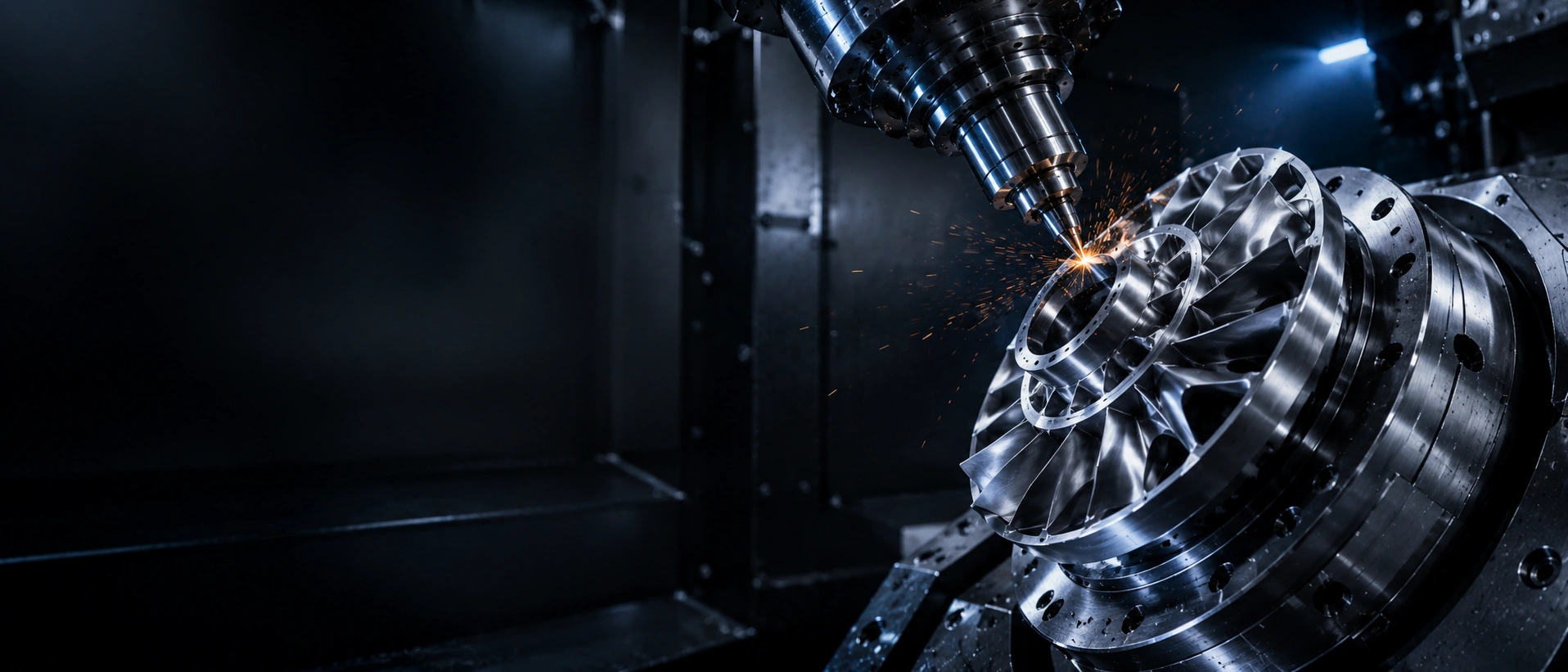
5-axis CNC machining of an Inconel 625 impeller in a precision high-tech machining center

Inconel 625 Machining Services: Precision CNC for Corrosion-Resistant Alloys

Inconel 625 Machining Key Facts: Inconel 625 (UNS N06625) is a highly ductile, corrosion-resistant nickel superalloy machined using precision 5-axis CNC milling, high-positive rake turning, and high-pressure coolant toolpaths to overcome work-hardening and built-up edge (BUE). Managed by our engineering team in New Castle, Delaware, ForceBeyond’s AS9100-certified facilities in the USA, South Korea, and Taiwan provide Tier-1.5 integration across casting, forging, and finish machining—delivering strict tolerances down to ±0.005mm and Ra 0.8 surface finishes for mission-critical nuclear SMR, subsea marine, and chemical applications.

Inconel 625 Machining Services: Precision CNC for Corrosion-Resistant Alloys

High-precision 5-axis CNC milling, turning, and drilling for Inconel 625 (UNS N06625). ForceBeyond provides specialized machining solutions optimized for the “gummy” nature of 625, serving mission-critical Nuclear, Marine, and Chemical sectors from our co-owned USA, South Korea, and Taiwan facilities.As a high-expertise capability within

As a high-expertise capability within our Superalloy Machining Services, ForceBeyond specializes in the precision manufacturing of Inconel 625. As a Tier-1.5 partner, we integrate our machining centers with our Inconel 625 Forging and Inconel 625 Casting foundries. While Inconel 718 is machined for pure tensile strength, Inconel 625 is machined for extreme environmental resilience—requiring entirely different tooling geometries to handle its high ductility and work-hardening tendencies.

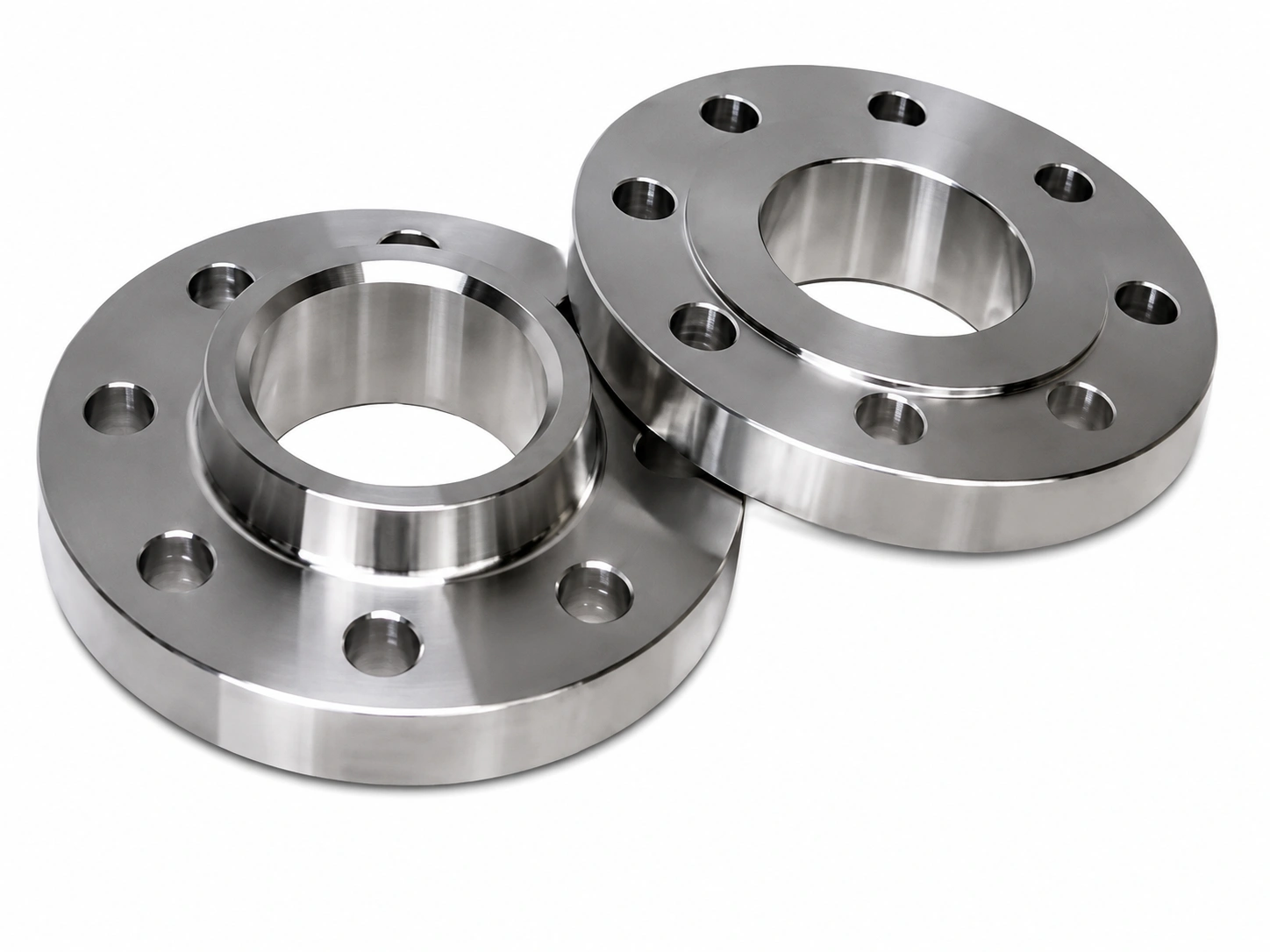
Two precision-machined Inconel 625 forged flanges for nuclear and subsea applications.

Overcoming the Challenges of Machining 625

Inconel 625 is characterized by exceptional toughness and ductility. This creates a unique set of machining challenges compared to other nickel-chromium superalloys:

  • Built-Up Edge (BUE): The material’s “gummy” nature causes it to weld itself to the cutting tool insert, leading to poor surface finishes and sudden tool failure.
  • Stringy Chip formation: High ductility prevents chips from breaking cleanly. Continuous, stringy chips can wrap around the spindle, damaging the workpiece and halting automated production.
  • Rapid Work-Hardening: If a tool dwells or rubs against 625 for even a millisecond, the surface instantly hardens, making subsequent passes nearly impossible.

ForceBeyond’s Tooling & Chip Control Strategies

To achieve tight tolerances (± 0.005mm) on complex 625 components, our global engineering teams deploy aggressive strategies to counteract the alloy’s high ductility.

Table: Optimized CNC Machining Parameters for Inconel 625

Machining Operation Tooling Strategy & Material Cutting Speed (SFM) Feed Rate (IPR/IPT)
Rough Turning Positive Rake Carbide (PVD Coated) 120 – 180 SFM 0.010 – 0.015 IPR
Finish Turning High-Positive PVD Carbide 150 – 200 SFM 0.004 – 0.008 IPR
Rough Milling Trochoidal Milling (Solid Carbide) 100 – 140 SFM 0.003 – 0.006 IPT
Drilling Solid Carbide (Through-Coolant) 40 – 60 SFM 0.001 – 0.003 IPR

Advanced Execution for Nuclear & Marine Parts

  • High-Pressure Coolant (HPC):We utilize 1,000+ psi of coolant directly at the cutting zone. This forces the ductile 625 chips to break and clear the area, preventing spindle wrapping.
  • Positive Tool Geometries: Using sharp, high-positive rake angles reduces cutting forces and prevents the material from smearing or creating a built-up edge.
  • Climb Milling:Ensuring the cutter bites into the material rather than rubbing against it, completely mitigating work-hardening on critical sealing faces.

Quality Assurance & Nuclear Compliance

Inconel 625 is often used in Small Modular Reactors (SMRs) and subsea applications where failure is not an option. Our QA protocols go beyond standard machining checks.

Inspection Method Purpose for Inconel 625 Standard Compliance
CMM Verification Ensuring dimensional integrity for complex valve bodies. ± 0.005mm accuracy
FPI (NDT) Detecting surface-breaking defects post-machining. ASTM E1417 / Nadcap
Surface Profilometry Ensuring Ra 0.8 surface finish for metal-to-metal seals. ISO 4287

FAQ: Sourcing Inconel 625 Machining

Where are ForceBeyond’s engineering oversight and Inconel 625 machining centers located?

Our dedicated engineering and project management teams are based at our corporate headquarters in New Castle, Delaware, USA. To optimize production costs and eliminate supply chain bottlenecks, our AS9100-certified CNC machining and precision finishing facilities are strategically located across our co-owned hubs in the USA, South Korea, and Taiwan.

Does ForceBeyond provide single-source manufacturing for Inconel 625 castings, forgings, and machining?

Yes. As a Tier-1.5 partner, ForceBeyond provides a fully integrated, single-source supply chain. We manage the entire component lifecycle by combining our in-house Inconel 625 Forging and Inconel 625 Casting foundries directly with our 5-axis CNC machining centers. This process is fully overseen by our Delaware team to relieve internal stresses via proof-machining before final precision finishing.

What quality assurance and compliance standards do you provide for nuclear-grade Inconel 625 components?

All ForceBeyond production facilities operate under a unified AS9100 Rev D and ISO 9001:2015 quality framework. For high-reliability sectors like Nuclear SMR and subsea marine applications, we provide full Heat Lot Traceability and Certified Material Test Reports (CMTRs) complying with NACE MR0175, verified by Positive Material ID (PMI) spectrographic analysis and Nadcap-aligned FPI testing.

What specific tolerances and surface finishes can ForceBeyond hold on complex Inconel 625 geometries?

Our high-torque CNC turning and 5-axis milling centers routinely hold tight dimensional tolerances down to ±0.005mm on complex parts, such as valve bodies and forged flanges. Additionally, we utilize Surface Profilometry (ISO 4287) to guarantee a Ra 0.8 surface finish required for critical metal-to-metal sealing faces.

How do your machining facilities combat the 'gummy' nature and work-hardening of Inconel 625?

We combat low thermal conductivity and work-hardening by utilizing high-torque spindles, rigid workholding, and high-pressure coolant. During roughing, we use SiAlON and whisker-reinforced ceramic tooling at cutting speeds up to 1,000 SFM. To prevent work-hardening caused by tool rubbing, we enforce strict climb-milling (thick-to-thin) toolpaths, maintain continuous feed rates, and never allow the cutting tool to dwell in the cut.

Request an Inconel 625 Machining Quote

As your Tier-1.5 manufacturing partner, ForceBeyond delivers fully machined, print-ready Inconel 625 components with uncompromising quality.Our Delaware-based engineering team is ready to review your project. We provide comprehensive Design for Manufacturability (DFM) feedback, cycle-time estimates, and globally optimized pricing from our USA, South Korea, and Taiwan facilities.Typical engineering review and response time: 24 to 48 hours.

Sources

Our Internal Resources for Die Casting, Investment casting, Forging and Sand Casting