How does ForceBeyond manage Inconel 718 lead times?
By maintaining a strategic billet inventory in our USA and Asian hubs, we can often bypass the 40+ week mill delays, delivering custom forgings in 14-18 weeks.

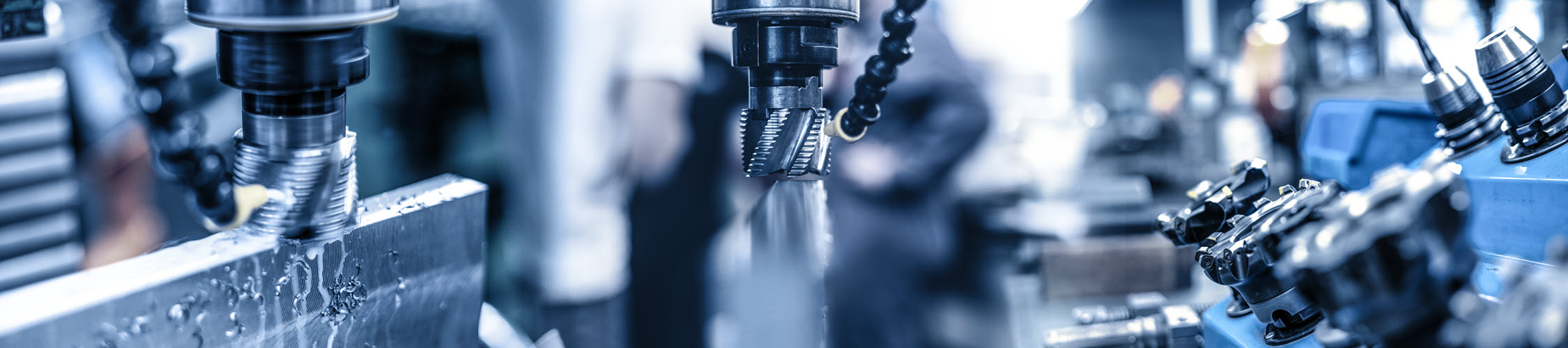
Inconel 718 forging is the process of shaping nickel-chromium superalloys under extreme heat and pressure to optimize grain flow and structural integrity for high-temperature environments. Common applications include turbine disks, compressor blades, rocket engine thrust chambers, downhole tool shafts, and high-pressure valve bodies.
Precision forged Inconel 718 (UNS N07718) engineered for high-stress applications up to 700°C. ForceBeyond provides AS9100-certified forging solutions with optimized grain refinement from our co-owned global facilities.
As a core pillar of our comprehensive Superalloy Forging Services, ForceBeyond specializes in the precision manufacturing of Inconel 718 (UNS N07718) components. Engineered for mission-critical environments, our forged 718 provides a superior structural alternative to cast parts, offering the refined grain structure and fatigue resistance required for high-stress applications up to 700°C (1,292°F).
Leveraging our Tier-1.5 “Tri-Regional” model, we provide US-based engineering oversight with high-capacity production from our co-owned facilities in South Korea and Taiwan, ensuring both metallurgical excellence and supply chain resilience.
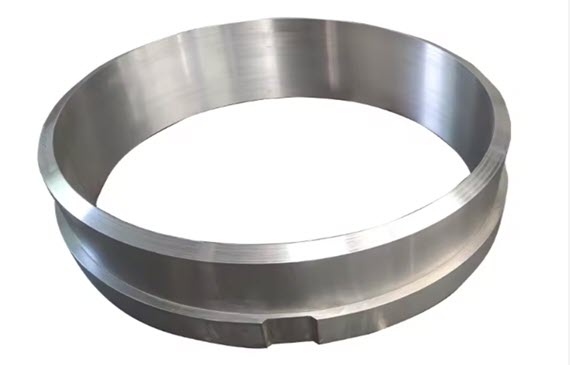
Traditional supply chains are fragmented, forcing you to manage separate forge and machine shops. ForceBeyond’s Tier-1.5 model integrates Inconel 718 Forging with our precision Inconel 718 Machining centers.
By taking total ownership of the metallurgical lifecycle, we ensure:
While our forging process optimizes grain flow for high-stress rotating components, parts with extremely complex internal cooling channels or non-symmetrical housings may be better suited for our Inconel 718 Casting solutions utilizing Vacuum Induction Melting (VIM).
Inconel 718 is a precipitation-hardenable nickel-chromium alloy. While casting is common for complex static parts, forging is mandatory for rotating or high-pressure components. Our forging process breaks down the cast dendritic structure and creates a directed grain flow, significantly increasing fatigue life and structural reliability.
We forge Inconel 718 to comply with the most stringent global standards, ensuring seamless integration into Tier-1 aerospace and energy supply chains.
| Property | Metric | Imperial |
|---|---|---|
| Tensile strength | 1,275 MPa | 185 ksi |
| Yield strength | 1,035 MPa | 150 ksi |
| Elongation | 12%–15% | 12%–15% |
| Reduction of area | 15%–20% | 15%–20% |
| Typical hardness | 36–44 HRC | 36–44 HRC |
| Density | 8.19 g/cm³ | 0.296 lb/in³ |
Every Inconel 718 forging undergoes rigorous testing at our co-owned facilities to ensure zero defects:
By maintaining a strategic billet inventory in our USA and Asian hubs, we can often bypass the 40+ week mill delays, delivering custom forgings in 14-18 weeks.
AMS 5662 is for material in the solution-treated condition (easier to machine). AMS 5663 is for material that has been precipitation (age) hardened for maximum strength.
Direct access to our Delaware-based engineering team. Feasibility reviews delivered within 48 hours.