
ForceBeyond Logo
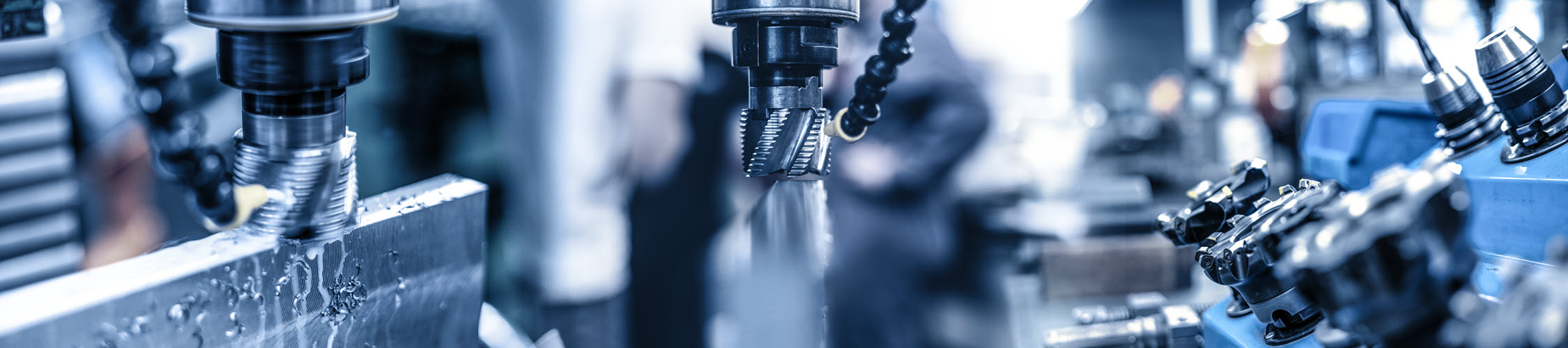
Large-scale sand casting foundry operations and heavy industrial machine bases

Sand Casting: Large-Scale, Cost-Effective Metal Manufacturing

Sand Casting: Large-Scale, Cost-Effective Metal Manufacturing

ForceBeyond is a premier global supplier of high-quality sand cast components. As one of the most versatile metal manufacturing processes, sand casting remains the benchmark for producing massive, heavy-duty components and complex geometries at a cost-effective price point.

Operating under an ISO 9001:2015 certified quality system, our foundry network utilizes both automated green sand lines for high-volume production and resin/no-bake sand molding for multi-ton structural parts. From lightweight A356-T6 aluminum castings to heavy-duty ductile iron pump housings and carbon steel structural components, we deliver fully machined, heat-treated, and inspected castings built to print.

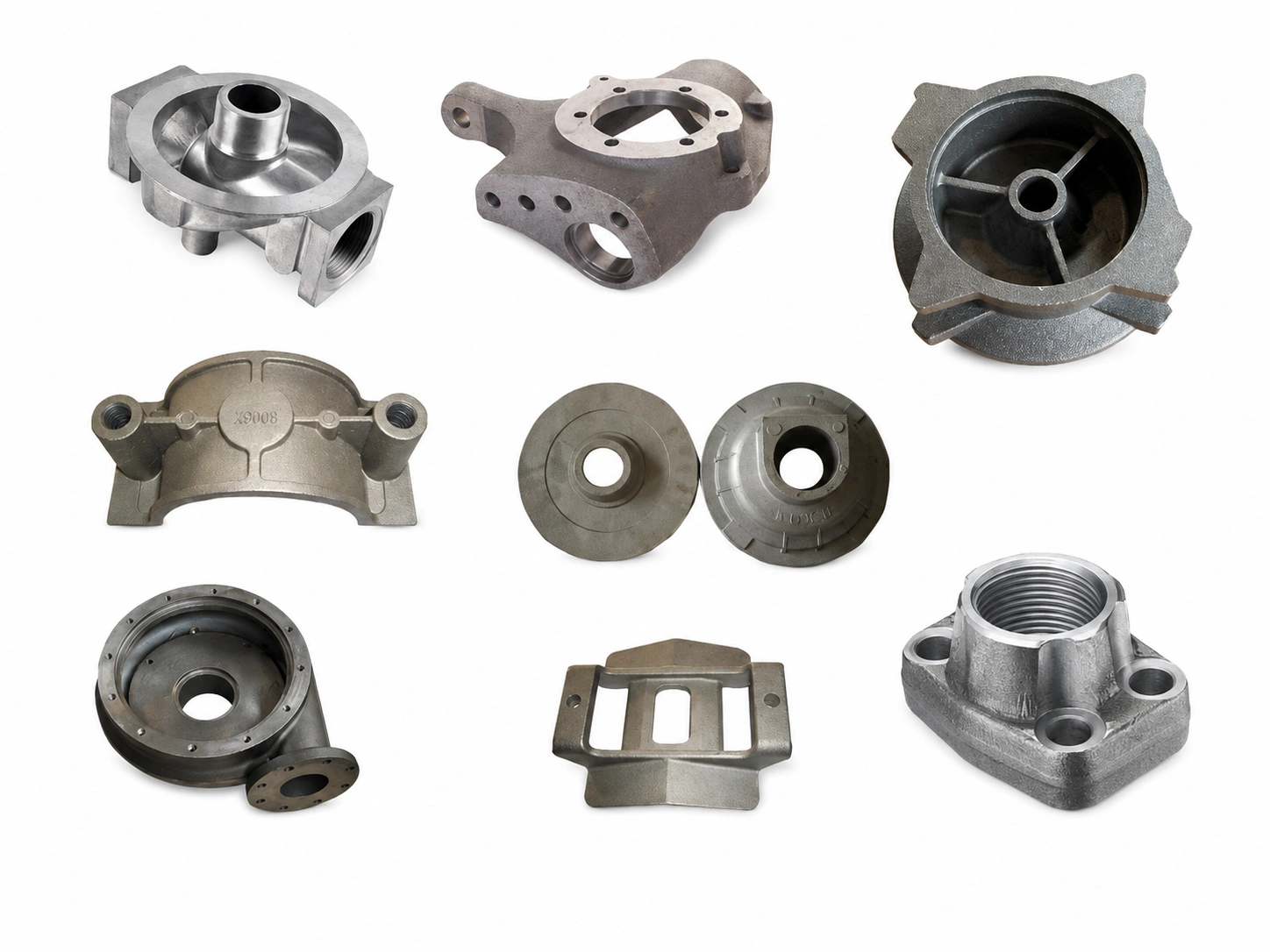
Custom metal sand casting parts, including pump housings, flanges, brackets, threaded fittings, and industrial components on a white background.

Process Selection: Green Sand vs. Resin (No-Bake) Molding

Choosing the correct sand binder system depends on component mass, dimensional tolerance targets, and expected production volume.

Molding Process Parameter Green Sand Molding Resin / No-Bake Sand Molding
Binder Type Bentonite Clay & Water (Moist) Chemical Polymer Resin (Hardened)
Component Weight Range Light to Medium (1 lb to 500 lbs) Medium to Massive (100 lbs to 10+ Tons)
Dimensional Stability Standard Industrial Tolerances High Rigidity & Tighter Dimensional Control
Production Volume Target Automated High-Volume Production Low-to-Mid Volume & Multi-Ton Castings

Technical Capabilities: Sand Casting Materials & Alloys

The sand casting process can pour virtually any commercial ferrous or non-ferrous alloy. ForceBeyond specializes in high-strength irons, heavy-duty structural steels, and structural aluminum alloys.

Material Category Common Grades Poured Key Features & Optimal Applications
Ductile Iron ASTM A536 (60-40-18, 65-45-12, 80-55-06) Contains nodular graphite, providing the castability of iron with the tensile strength and toughness of steel. Ideal for heavy-duty automotive axles, gears, and suspension arms.
Gray Iron ASTM A48 (Class 20, 30, 40) Excellent vibration dampening and thermal conductivity. Highly machinable and cost-effective for machine tool bases, engine blocks, and brake rotors.
Carbon & Alloy Steel WCB, 1020, 1045, 4140 Massive yield strength and impact resistance. Mandatory for high-stress heavy machinery linkages, valve bodies, and structural mining hardware.
Aluminum Alloys A356-T6, 319, 355 Superior strength-to-weight ratio and corrosion resistance. Frequently used for aerospace brackets, transmission housings, and marine impellers.

Why Partner with ForceBeyond for Sand Casting?

When components feature massive cross-sections, intricate internal fluid channels, or multi-ton overall weights, sand casting regularly outperforms forging and die casting.

  • Unconstrained Size & Mass Capacity: Sand casting is not restricted by press platen limits or die clamping pressures. We pour components from a few pounds up to several tons.
  • Economical Pattern Tooling: Patterns are machined from wood, polyurethane, or aluminum. This significantly reduces initial tooling expenses compared to hardened tool steel die-casting dies or forging tooling.
  • Intricate Internal Coring: Utilizing baked resin sand cores enables complex internal geometries, fluid passages, and volutes that cannot be produced via standard machining.
  • Agile Prototyping to High-Volume: Rapid prototyping with 3D-printed sand molds allows physical testing before committing to production pattern equipment.

Tier-1.5 Integration: Cast, Heavy CNC Machine & Finish

Because as-cast sand parts have rougher surface textures (250–500 RMS), secondary precision machining is essential for sealing faces and bearing journals. ForceBeyond provides a single-source Tier-1.5 workflow handling all post-cast processing:

  • Heavy CNC Machining: Large-envelope Vertical Turning Lathes (VTLs) and Horizontal Boring Mills (HBMs) to hold tight linear tolerances on heavy iron and steel castings.
  • Thermal Processing & Stress Relief: Stress-relieving heat treatments for large iron castings, normalizing/Q&T for steel, and T6 solution aging for A356 aluminum.
  • Surface Preparation & Finishing: Shot blasting to remove residual molding sand, followed by rust-inhibiting oils, powder coating, or e-coating.
  • Non-Destructive Testing (NDT): Magnetic Particle Inspection (MPI) and Ultrasonic Testing (UT) to verify internal soundness in critical structural castings.
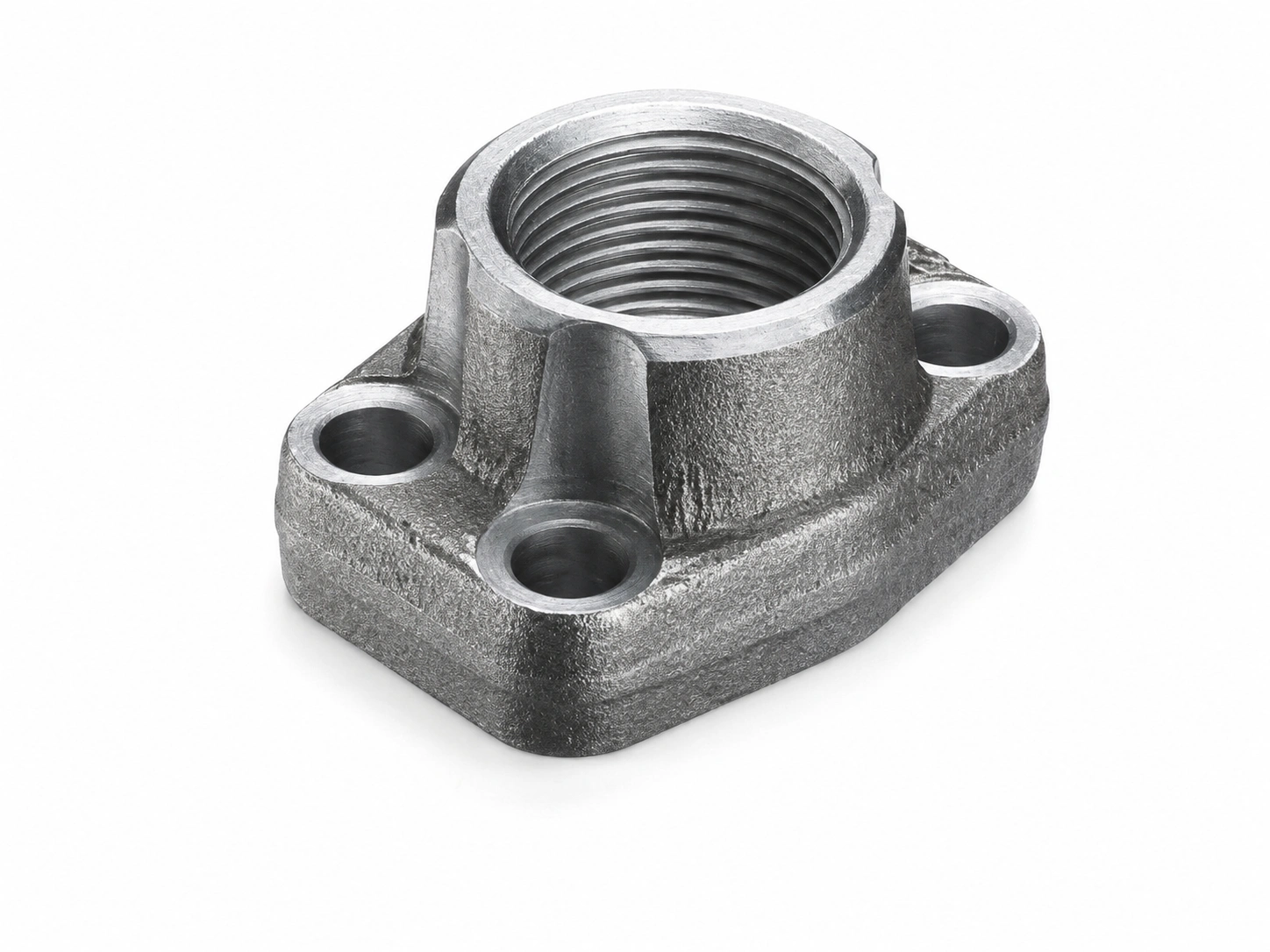
Sand-cast metal threaded flange housing with three mounting holes and reinforced ribs on a white background.

Certified Sand Casting Applications

Our high-capacity foundry network supplies heavy-duty sand castings across demanding global industries:

  • Heavy Equipment & Agriculture: Tractor counterweights, excavator linkages, gearboxes, and structural frames.
  • Pumps & Fluid Power: High-pressure steel valve bodies, ductile iron pump volutes, and multi-stage impellers.
  • Automotive & Commercial Vehicles: Engine blocks, cylinder heads, differential housings, and brake calipers.
  • Energy & Power Generation: Wind turbine hubs, compressor housings, and turbine structural bases.

Frequently Asked Questions: Sand Casting Services

How does sand casting differ from investment casting?

Sand casting uses a reusable pattern (wood, plastic, or aluminum) to pack sand into a consumable mold, which is broken apart after the metal cools. It is highly cost-effective for large, heavy parts. Investment casting uses a ceramic shell built around a sacrificial wax pattern, offering tighter tolerances (ISO 8062 CT5-CT7), thinner walls (down to 0.040 in), and smooth 125 RMS finishes at a higher unit cost.

Why choose Ductile Iron over standard Gray Iron?

Standard Gray Iron contains graphite flakes, making it excellent for vibration dampening but brittle under impact. Ductile Iron is treated with magnesium to form nodular graphite spheres, granting it tensile strength, elongation, and impact toughness comparable to carbon steel while retaining low-cost castability.

Can you achieve a smooth surface finish with sand casting?

While standard green sand casting produces a textured surface (250–500 RMS), ForceBeyond utilizes fine-grain sands, specialized mold washes, and Resin (No-Bake) sand molding to significantly improve as-cast smoothness. Critical sealing faces and bearing journals are precision CNC machined in-house.

How does Sand Casting compare to Permanent Mold Casting?

Sand casting uses expendable molds broken apart for every part, requiring minimal upfront tooling investment—ideal for large components or mid-to-low volumes. Permanent mold casting (gravity die casting) utilizes reusable steel molds. While permanent molds require higher tooling investment, they offer faster cycle times, tighter tolerances, and denser grain structures for mid-to-high volume aluminum runs.

Request a Quote for Custom Sand Casting Services

Contact ForceBeyond’s engineering team to review 3D models, select appropriate iron or aluminum alloys, and determine the optimal sand molding process.

Sources

Our Internal Resources for Die Casting, Investment Casting, Forging and Sand Casting